Maintaining a safe, attractive, and ecologically balanced residential property requires a thoughtful combination of routine arboricultural maintenance and strategic outdoor design. Trees serve as vital structural anchors in any outdoor environment, offering shade, improving air quality, enhancing privacy, and elevating overall property value. However, unmanaged trees can quickly transform from valuable aesthetic assets into severe hazards. Overgrown branches, decayed timber, and invasive roots threaten home foundations, power lines, and surrounding structures during high winds and heavy storms. Proactive property management ensures that trees remain healthy, vibrant, and safe throughout their natural lifecycle.
A comprehensive approach to land management balances routine canopy maintenance with large-scale land clearing and custom exterior upgrades. While basic property maintenance like clearing fallen twigs or watering young saplings can be handled by homeowners, evaluating structural integrity, executing high-canopy pruning, and removing large hazardous trees require heavy equipment and professional technical expertise. Integrating proper canopy care with thoughtful outdoor design creates a cohesive living space where healthy trees, lush turf, and defined planting beds thrive in harmony without competing for sunlight or soil nutrients.
Executing a successful outdoor improvement plan relies on partnering with certified trade specialists who understand plant health care, regional climate stresses, and safe mechanical extraction techniques. Combining routine tree care with modern land management practices protects your structural investments, reduces long-term maintenance costs, and maximizes your yard’s functional living area. Investing in professional land stewardship safeguards your family, enhances curb appeal, and ensures your outdoor space remains resilient and beautiful through every season.
Identifying Structural Risks and Overhead Hazards
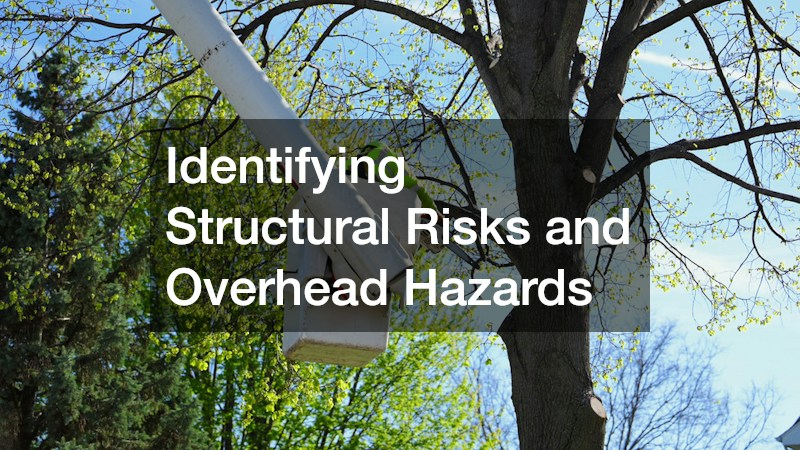
Proactive property care begins with systematically assessing the physical condition of mature trees surrounding your home, driveway, utility lines, and outdoor living areas. Throughout the year, trees endure continuous environmental stresses—including severe windstorms, heavy snow loads, ice accumulation, insect infestations, and prolonged drought—all of which can compromise internal wood strength without showing obvious outward signs of decay. Invisible structural vulnerabilities, such as heart rot or internal trunk hollows, often go unnoticed until a sudden failure occurs during high winds. Learning to identify subtle red flags—such as bracket fungi growing along the root flare, bark cracks running vertically down the main trunk, lingering deadwood lodged in the upper canopy, or co-dominant stems forming V-shaped unions—is crucial for preventing catastrophic limb failures that threaten personal safety, ruin vehicles, and cause severe structural damage to home rooflines.
Engaging a certified local tree trimmer to conduct detailed canopy assessments ensures that hazardous deadwood, cracked branches, and unbalanced weight distributions are identified and corrected long before severe weather strikes. Trained arboriculture specialists utilize specialized climbing gear, aerial bucket trucks, and rigging equipment to navigate high canopy sections safely, removing structural vulnerabilities without dropping heavy timber onto underlying flower beds, patio pavers, or lower roof planes. Beyond visual checks, experienced specialists examine the structural integrity of major scaffold limbs and check for signs of pest activity like emerald ash borer or carpenter ant colonies. Their detailed diagnostic evaluations provide homeowners with clear, actionable recommendations to fix minor canopy defects before they escalate into dangerous and costly emergency storm damage.
Establishing a routine schedule for canopy evaluations preserves the long-term health, structural balance, and natural beauty of your mature trees. When weak, crossing, or diseased limbs are strategically pruned away, the tree no longer wastes vital water and soil nutrients on declining wood; instead, it redirects those resources to healthy branches, fostering dense, vibrant foliage and expanding robust root systems. Furthermore, thinning out an overly dense canopy reduces overall wind resistance, allowing heavy gusts to pass safely through the tree rather than catching the canopy like a sail and uprooting the entire trunk. Consistent professional oversight eliminates safety guesswork, protects surrounding property investments, and offers complete clarity regarding your land’s canopy health and structural stability through every season.
Managing Hazardous or Obstructive Timber Extracted Safely
While preserving mature trees is always a primary goal, certain situations require complete timber extraction to protect human safety and nearby structures. Trees suffering from advanced root rot, severe trunk decay, or storm damage often present immediate collapse risks that cannot be mitigated through pruning alone. Additionally, trees growing too close to home foundations, septic fields, or utility lines may cause costly structural damage over time.
Executing a controlled tree removal requires specialized rigging, precision cutting techniques, and heavy machinery to lower massive timber sections safely in tight residential spaces. Qualified technicians carefully calculate branch weight and fall directions, taking down trees piece by piece to protect lawn turf, garden beds, and adjacent homes. Professional extraction completely resolves safety hazards while opening up valuable space for new outdoor features.
Eliminating dangerous or dead trees protects your property from catastrophic storm damage and costly emergency repairs. Clearing hazardous timber also increases sunlight penetration to surrounding grass and plant beds, encouraging healthier growth below. Safe, professional extraction is a fundamental component of responsible land stewardship.
Promoting Canopy Vitality and Balanced Growth Patterns
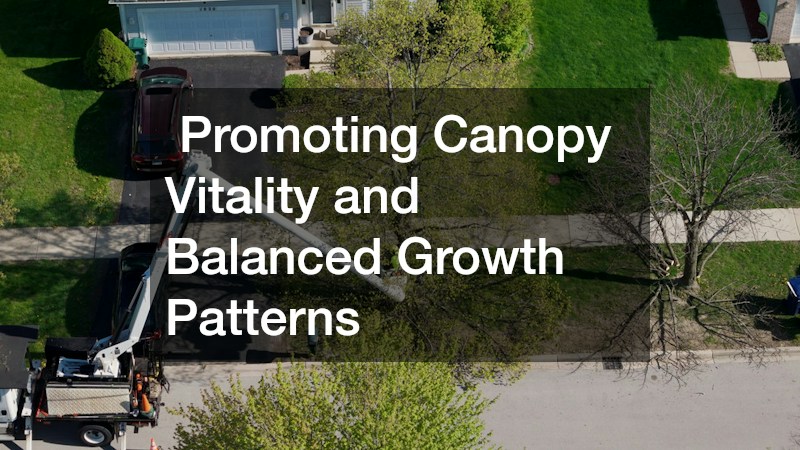
Routine pruning is essential for maintaining the visual appeal, structural strength, and overall vitality of residential trees. Unpruned trees often develop dense, tangled canopies that block sunlight, trap excess moisture, and restrict airflow, creating ideal conditions for fungal diseases and insect infestations. Strategic thinning opens up the canopy, allowing light and air to move freely through the tree.
Scheduling regular tree trimming removes crossing branches, corrects double leaders, and shapes young saplings to establish strong structural frameworks. Pruning away diseased or damaged growth prevents infections from spreading throughout the tree’s vascular system. Proper seasonal trimming encourages vigorous growth and helps trees withstand high winds by reducing wind resistance across the canopy.
Consistent pruning maintains attractive, well-proportioned tree silhouettes that complement your home’s architecture. Eliminating low-hanging branches clears driveways and walkways, improving safety and sightlines across your property. Systematic canopy maintenance preserves the beauty and longevity of your mature trees.
Evaluating Comprehensive Solutions for Outdoor Health Care
Maintaining a thriving outdoor environment involves far more than basic seasonal cleanup; it requires a holistic approach to soil nutrition, pest management, and canopy preservation. Environmental stress, compacted soil, and regional pest outbreaks can weaken trees, leaving them vulnerable to decline if not addressed promptly. Comprehensive healthcare strategies protect your green investment from the roots up.
Partnering with specialists who provide full-service tree services ensures that your property receives tailored deep-root fertilization, pest control treatments, and soil aeration. Trained technicians analyze soil chemistry and leaf health to diagnose nutrient deficiencies and apply targeted organic treatments. Their comprehensive care protocols restore vitality to struggling trees and shield healthy timber from invasive insects.
Investing in systematic health management extends the operational lifespan of your landscape and prevents premature tree loss. Healthy, well-nourished trees are better equipped to naturally resist environmental stresses, disease, and insect attacks. Complete technical care keeps your outdoor environment vibrant, green, and thriving.

Partnering with Accredited Arboricultural Specialists
Executing complex canopy work, deep-root treatments, or high-risk removals demands working with a licensed, insured, and accredited trade enterprise. Working high above ground with chainsaws and heavy rigging equipment carries inherent safety risks that require rigorous training, industry certifications, and proper safety gear to manage effectively.
Selecting a recognized tree service guarantees that all work on your property adheres to strict safety protocols and industry standards. Accredited businesses employ certified arborists who understand tree biology, correct pruning cuts, and safe rigging principles. Their professional operational infrastructure ensures clear project timelines, comprehensive liability coverage, and thorough job-site cleanup.
Working with accredited partners protects homeowners from personal liability and property damage during complex canopy operations. Professional crews work efficiently while protecting surrounding landscaping, lawn turf, and hardscapes. Partnering with certified experts delivers high-quality, dependable results for every phase of your project.
Executing Large-Scale Extraction Operations Efficiently
When properties face major storm damage, land clearing needs, or multiple mature tree extractions, standard hand tools are insufficient for the job. Large-scale extraction operations require heavy machinery, such as cranes, commercial chippers, and stump grinders, to process massive logs and dense brush quickly and safely.
Utilizing specialized tree removal services allows homeowners to handle complex timber extractions safely and efficiently, regardless of tree size or location. Experienced crews utilize cranes to hoist large timber sections over homes and power lines, minimizing ground impact and preventing damage to lawns and gardens. Industrial wood chippers process cleared branches on-site, converting waste into useful organic mulch.
Entrusting complex extractions to fully equipped service teams saves time and eliminates safety hazards for property owners. Commercial machinery handles heavy logs effortlessly, clearing space for new landscaping or construction projects without leaving behind unsightly brush piles. Professional extraction services restore order and safety to your property.
Vetting Nearby Trade Specialists for Regional Context
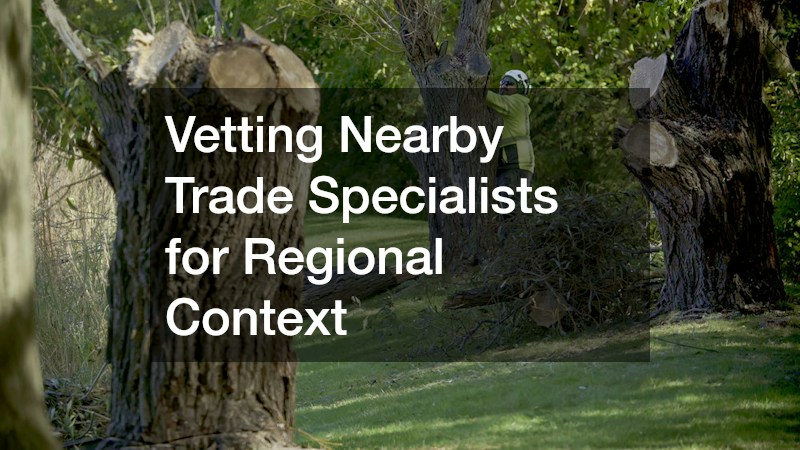
Managing outdoor properties successfully requires working with trade professionals who understand regional weather patterns, local soil types, and native tree species. Coastal storms, severe winter freezes, and summer droughts present unique challenges that dictate specific pruning schedules, planting choices, and disease management strategies.
Partnering with an established local tree service offers significant advantages, including fast response times for storm emergencies and deep knowledge of regional municipal permits. Local specialists understand which native species thrive in regional soils and recognize common local pests before they cause widespread damage. Their physical presence within the community guarantees accessible, ongoing support and personal accountability.
Working with nearby trade specialists supports the regional economy while ensuring your property receives tailored care suited to local environmental conditions. Local crews can perform rapid post-storm inspections to verify canopy safety after severe weather. Regional expertise ensures your trees and landscape remain healthy year-round.
Comparing Professional Proposals Across Local Enterprises
Executing major property overhauls or tree extractions requires careful planning, clear communication, and an accurate understanding of project scope, pricing, and safety standards. Requesting detailed proposals from multiple established businesses allows homeowners to evaluate equipment capabilities, insurance coverage, and pricing structures objectively.
Evaluating written estimates from reputable tree removal companies helps homeowners identify fair market value while verifying that contractors carry adequate liability and workers’ compensation insurance. Professional proposals should detail itemized costs for tree felling, log removal, stump grinding, and final debris cleanup. Reviewing these details ensures you select a service package that aligns with your budget and expectations.
Thorough proposal evaluation protects property owners from unexpected fees, substandard work, and liability risks. Comparing established enterprises lets you review safety records, customer reviews, and equipment options before signing contracts. Clear operational transparency guarantees a smooth, stress-free project.
Elevating Property Value Through Modern Outdoor Upgrades
Clearing dead wood, removing hazardous trees, and opening up overgrown canopies creates an ideal blank canvas for introducing new outdoor features. A well-planned property transformation integrates healthy mature trees with new lawn turf, vibrant flower beds, functional walkways, and outdoor living zones to maximize usable space and curb appeal.
Executing a custom landscape installation transforms cleared or open outdoor spaces into beautiful, functional living environments tailored to your lifestyle. Professional designers select native plants, decorative stone, and sod that complement your home’s architecture while thriving in local soil and lighting conditions. Integrated irrigation and lighting systems ensure your new installation remains vibrant day and night.
Upgrading your outdoor space increases property value, improves drainage, and expands your family’s functional living area. Combining healthy mature shade trees with fresh plant beds and hardscapes creates an inviting environment for relaxation and entertaining. Quality outdoor design turns ordinary yards into extraordinary outdoor sanctuaries.
Efficiently Clearing Dense Growth and Organic Debris
Properties with overgrown brush, invasive saplings, heavy underbrush, or accumulated storm debris require specialized land clearing techniques to restore usability without damaging surrounding soil structure. Traditional clearing methods that involve bulldozing often strip topsoil, disrupt root systems of desirable trees, and leave massive debris piles that require burning or hauling away.
Utilizing eco-friendly forestry mulching machinery offers a fast, efficient way to clear dense underbrush, saplings, and stumps in a single pass. Specialized mulching tractors shred unwanted vegetation on-site, converting brush instantly into a rich layer of organic mulch spread evenly across the ground. This process eliminates the need for burning or hauling while protecting topsoil from erosion and suppressing future weed growth.
Choosing mulching technology preserves desirable mature trees by protecting their root zones from heavy excavation damage. The resulting mulch layer retains soil moisture, prevents erosion, and breaks down over time to enrich the soil naturally. Efficient land clearing prepares your property for new landscape installations, trails, or outdoor living additions.
Sustaining a safe, healthy, and visually appealing property requires organizing tree care, land management, and landscape maintenance into a consistent seasonal routine. Combining proactive canopy care with modern land management practices protects your structural investments, lowers repair costs, and ensures your outdoor living space remains safe, dry, and beautiful throughout the year.