The perfect garden requires thoughtful planning and the right materials. This article explores essential landscape supplies crucial for any garden project, for both novices and seasoned gardeners. The right supplies can make even the most challenging garden designs achievable.
What are the basic landscape supplies needed for beginners?
1.1 Soil and Compost
Understanding soil quality is critical in gardening as it provides necessary nutrients for plant growth. Compost enriches soil, improving its texture and fertility.
Testing soil pH and nutrient levels helps match compost to garden needs. Organic composting, such as using kitchen scraps, recycles nutrients back into your garden. Choosing the appropriate compost can significantly impact plant health and garden productivity.
Soil amendments adjust the texture and structure of your garden’s base layer, enhancing water-holding capacity and aeration. Balanced soil fosters microorganisms that break down organic matter, making nutrients available to plants. Effective soil management ensures longevity and productivity in gardens of any scale.
1.2 Gardening Tools
Essential gardening tools are pivotal for maintaining and managing your garden space effectively. Beginners should consider spades, pruners, and trowels as foundational tools. Proper tools improve the ease and efficiency of gardening tasks, reduce physical strain, and make gardening accessible to different skill levels. Investing in good quality tools leads to a more enjoyable gardening experience. Durable tools can greatly enhance your gardening capabilities over time.
Tools like hoes, shears, and wheelbarrows expand tool collection over time. Each tool serves a specific function and using the right tools improves effectiveness and can transform gardening into a source of joy.
1.3 Mulch Varieties
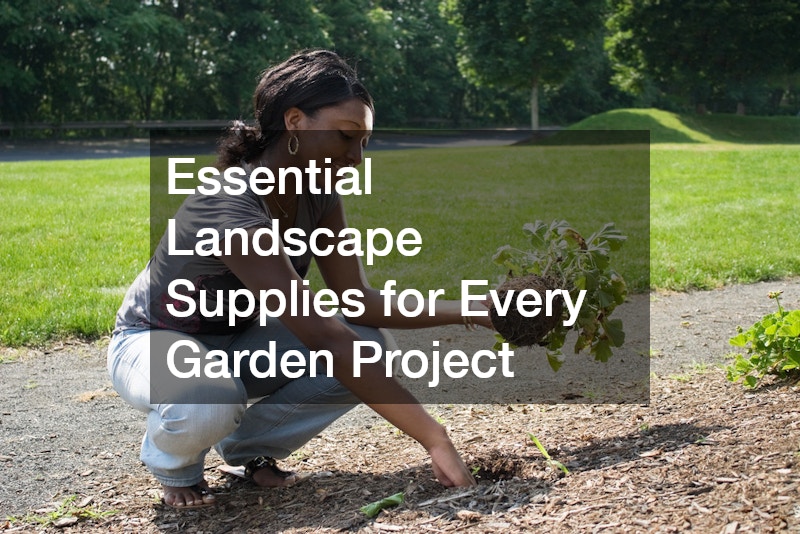
Mulching aids water conservation and weed suppression. Organic mulches, like bark chips and straw, decompose over time, enriching soil. Inorganic mulches prevent weed growth and regulate soil temperature. Proper mulch selection involves understanding plant species and climate requirements.
Mulch retains soil moisture and maintains a stable root environment, reducing the need for frequent watering. Applying mulch helps prevent erosion and enhances the visual appeal of the garden. With thoughtful mulch application, your garden can thrive throughout different seasons.
How do I choose the right paving materials for my garden path?
2.1 Stone Options
Stone paving offers durability and aesthetic charm. Using local stone supports sustainability. Planning stone selection enhances pathways’ integration with surroundings. Stones can create intricate designs, aligning them with personal style. The right stone choice can also complement nearby garden features beautifully.
2.2 Brick Path Benefits
Brick paths provide classic appeal and resilience. They are an eco-friendly option and offer excellent drainage. The longevity of brick paths makes them a popular choice for many landscaped spaces.
2.3 Concrete Styles
Concrete paths are versatile, affordable, and durable. Customization in color and texture allows them to fit contemporary or classic themes. Concrete permeable options support sustainable water management. Concrete paths can adapt to various terrains and garden sizes.
What types of edging materials are most effective?
3.1 Metal Edging
Metal edging offers sleek, modern appeal and resilience. Aluminum and steel are corrosive-resistant, making them long-lasting choices for garden boundaries. Metal edging can seamlessly integrate with modern outdoor design themes.
3.2 Plastic Edging
Plastic edging is cost-effective and flexible, suitable for crafting curved designs. It offers various colors and profiles, enhancing versatility. Anchors secure plastic edges, preventing migration. Plastic edging can provide an affordable solution without compromising on creativity.
3.3 Stone Edging
Stone edging introduces rustic durability, with options like cobblestone offering excellent aesthetic quality. It is strong and long-lasting, perfect for defining garden borders. Stone edging brings a timeless appeal that can elevate the overall look of your garden.
How does mulch benefit a garden, and what are the best types to use?
4.1 Organic Mulch Types
Organic mulches, like bark and straw, enhance soil by decomposing and adding nutrients, insulating roots, and supporting beneficial soil organisms. They play a critical role in maintaining soil health and improving plant growth.
4.2 Inorganic Mulch Varieties
Inorganic mulches, like pebbles and rubber, offer lasting coverage with minimal breakdown. They excel in drainage, erosion prevention, and maintaining soil permeability.
4.3 Application Techniques
Mulch effectively protects plant health. Applying the correct thickness, ensuring even coverage, and using aesthetic guidelines can optimize mulching benefits. Proper mulch application can transform the look of your garden while enhancing sustainability.
A well-planned garden starts with the right landscape supplies. Equip yourself with these essentials for thriving, sustainable landscapes. Properly applying mulch, ensuring tool safety, and modernizing practices lead to secure, visually appealing gardens. Remember, each choice you make in terms of landscape supplies significantly impacts the environment and beauty of your garden.