Knowing when to remove a tree is essential for property safety and aesthetics. This guide covers key indicators of when to call local tree removal to prevent hazards. Unhealthy trees can cause damage or accidents.
Recognizing these signs allows for informed landscape decisions.
What Are the Signs of a Dangerous Tree?
Dead or Dying Tree Limbs
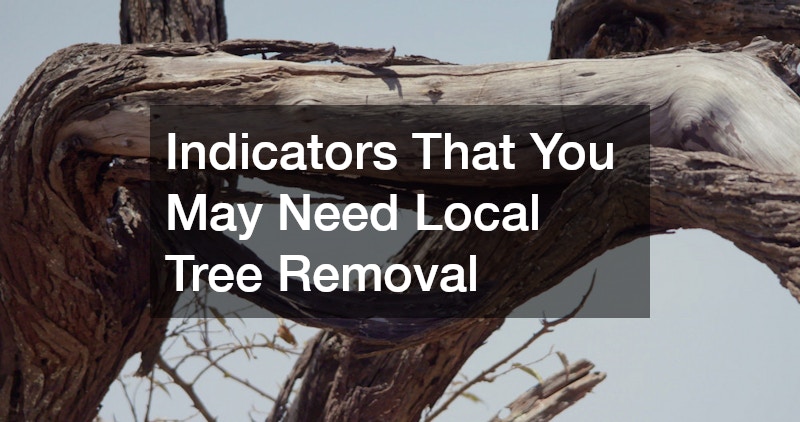
Dead or dying limbs are clear indicators of potential hazards. Brittle or decayed branches can fall during storms, risking safety. Regular inspections can identify the absence of leaves or decay early, allowing for preventative action.
Dead limbs are identifiable by their color and brittleness. They point to health issues like diseases or pests. Proactive maintenance addresses these concerns, but persistent issues may require removal.
Ignoring dead limbs risks falling hazards and decay entry points, compromising the tree’s structure. Professionals can assess if pruning or removal is needed. Safety is paramount when addressing dead limbs.
Visible Signs of Disease
Trees with diseases show signs like discolored leaves, growths, and peeling bark. These affect tree structure, increasing collapse risks. Prompt intervention can halt the spread to other plants. Quick action protects your landscape.
Common diseases include fungal infections and cankers. Some cases may require removal to prevent regional impact. Consulting an arborist or local tree removal experts helps determine action.
Leaning or Unstable Trees
Not all leaning trees are hazardous, but monitoring the lean is essential, especially if new or worsening. Sudden tilts suggest root damage needing attention.
Significant leaning increases uproot risks during bad weather. It disrupts weight distribution, making trees vulnerable. Immediate action on noticeable changes mitigates damage risks.
For immediate threats, removal is safest. Other solutions like cabling offer temporary fixes. Expert advice identifies best actions. Stability ensures property and personal safety.
How Do Trees Impact Property and Utilities?
Trees Growing Into Power Lines
Trees touching power lines pose significant safety hazards, causing outages or fires. Regulations often require proactive management. Regular pruning or removal protects infrastructure and community safety.
Managing tree proximity to power lines often requires professionals due to the complexity. Certified experts handle tasks safely, ensuring standards. Property owners should avoid dangerous DIY tree work.
Maintaining safe tree-line distances is crucial year-round. Extreme weather elevates risks. Proper clearance prevents electrical hazards, protecting property and the community. Proactive management yields long-term safety benefits.
Root Damage to Infrastructure
Unseen tree roots can damage infrastructure, causing costly repairs. Roots seek moisture, affecting pipes and foundations. Regular property checks catch early signs of intrusion, helping prevent damage.
Understanding tree species and infrastructure layout is vital for root damage management. Some trees have aggressive roots, requiring strategic plant placement. Expert advice balances infrastructure protection and tree health.
Repair costs from root damage often exceed prevention expenses. Reactive measures post-damage are costly. Planning landscapes considering aesthetics and functionality maintains property value and safety.
Obstruction of Views or Access
Trees blocking views or access affect property functionality and appeal. While aesthetically beneficial, excessive growth may require trimming or removal for clear views or access.
Clear views boost property value and appeal, attracting buyers. Improved access enhances property utility. Long-term landscaping plans harmonize the environment and functionality.
When Should You Consult a Professional Arborist?
Initial Assessment of Tree Health
An arborist’s initial tree health check provides critical risk and maintenance insights. Arborists identify subtle pests, diseases, or structural issues, offering tailored recommendations.
Regular evaluations align with responsible property management practices. Seasonal check-ups optimize tree resilience and growth. Arborists identify species-specific vulnerabilities, guiding maintenance techniques.
Arborist reports are invaluable in insurance claims or legal tree damage disputes. Expert analysis aids liability or coverage establishment. Professional guidance ensures regulatory compliance and desired results.
Complexity in Tree Removal
Removing large or hazardously placed trees requires professional expertise due to complexity. Arborists use specialized equipment, executing precise removals safely.
Professional involvement is crucial for trees near structures or constrained spaces. Regular maintenance may expose complexities needing expert handling. Certified professionals ensure regulatory compliance and safety.
Expert services extend beyond removal, offering clean-up and site restoration. Professionals assist with replacement planting, enhancing landscape resilience.
Environmental Regulations and Permits
The legal aspects of local tree removal require awareness of environmental regulations and permits. Requirements vary by location; lack of compliance has legal consequences.
Regulations promote environmental responsibility. Recognizing tree ecological value aids biodiversity conservation. Professionals ensure procedures and personal landscape goals are in harmony.
Permits are crucial for aligning removal efforts with community goals. Professional guidance ensures compliance with practices balancing individual and environmental needs.
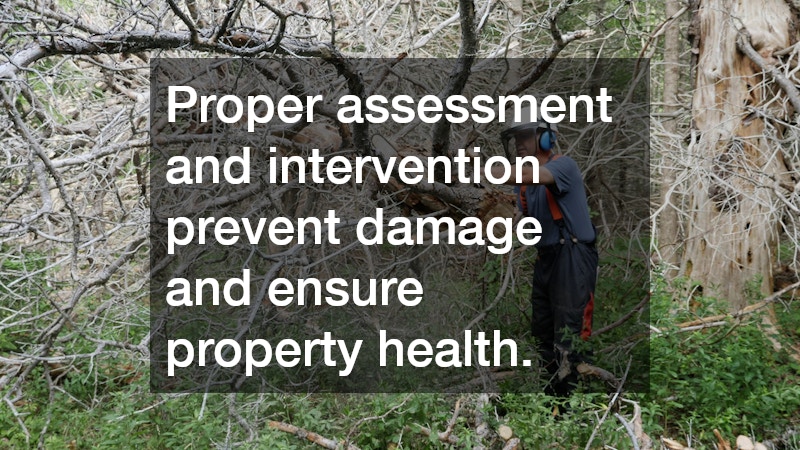
Proper assessment and intervention prevent damage and ensure property health. Trees require care to coexist safely within human environments. Recognizing removal signs allows preemptive action.