Choosing the right oak for your property is one of the most valuable decisions you can make during tree sales planning. Oaks deliver long-term shade, structure, and ecological benefits, but selecting the right variety requires a clear understanding of your landscape goals. From growth rate to soil compatibility, each species offers distinct advantages.
This guide breaks down the most popular options and what to consider before planting so you can make a confident, well-informed investment.
Popular Oak Varieties for Residential Landscapes
Red Oak Varieties
Red oaks are known for fast growth and striking seasonal color. Their broad canopies create dense shade, making them ideal for larger yards or areas that need cooling during the summer months. These trees adapt well to different soil types, though they perform best in well-drained conditions.
In the fall, red oaks produce vibrant foliage that adds strong visual interest. They also offer solid resistance to pests and environmental stress, reducing long-term maintenance demands. Because of their speed and size, they are often selected when immediate landscape impact is a priority.
White Oak Varieties
White oaks bring a more traditional, long-term approach to landscaping. They grow more slowly than red oaks but develop into massive, long-lived trees with strong structural integrity. Their wide canopy makes them excellent shade trees for open spaces.
These trees prefer slightly acidic, well-drained soil and require minimal upkeep once established. White oaks also support local wildlife, making them a practical choice for homeowners interested in biodiversity. Their durability and classic form make them a cornerstone option in many tree sales decisions.
Live Oak Varieties
Live oaks stand out for their evergreen foliage and expansive, low-branching canopy. They provide year-round visual consistency and are especially popular in warmer or coastal regions due to their tolerance for wind and salt exposure.
Once established, live oaks are drought-tolerant and relatively low-maintenance. Their strong, sprawling structure creates natural shade zones that enhance outdoor living spaces. For homeowners seeking a bold, lasting centerpiece, live oaks are a premium choice.
How to Support Healthy Oak Growth
Soil and Watering
Oaks generally prefer slightly acidic to neutral soil with good drainage. Conducting a soil test before planting helps avoid future growth issues. During early growth stages, consistent watering is essential. As the tree matures, watering frequency can decrease.
Deep, infrequent watering encourages strong root systems. Adding mulch around the base improves moisture retention and reduces weed competition. Avoid overwatering, as excessive moisture can lead to root damage.
Pruning and Maintenance
Routine pruning maintains structure and prevents disease. The best time to prune is during dormancy in late winter or early spring. Focus on removing dead or weak branches and improving airflow through the canopy.
Using clean, sharp tools minimizes damage and promotes faster healing. Avoid excessive pruning, as it can stress the tree and slow development. Strategic, minimal intervention delivers the best long-term results.
Pest and Disease Management
Regular inspection helps catch issues early. Common concerns include fungal infections and insect activity that can weaken the tree over time. Look for signs such as leaf discoloration or abnormal growth patterns.
Integrated pest management strategies reduce the need for aggressive treatments. Combining monitoring, proper pruning, and soil health creates a more resilient tree. When necessary, targeted treatments can prevent problems from spreading.
Key Factors to Consider Before Planting
Climate Compatibility
Different oak species perform best in specific climates. Red oaks tolerate a wide range of conditions, while live oaks prefer warmer environments. White oaks handle colder regions more effectively.
Matching the tree to your local climate reduces maintenance and improves survival rates. This step is essential when narrowing down options during tree sales.
Space and Growth Potential
Oaks can grow large, both above and below ground. Always consider mature height and canopy spread before planting. Position trees far enough from buildings, driveways, and utility lines to avoid future conflicts.
Planning for long-term growth prevents costly adjustments later. Adequate spacing also improves airflow and overall tree health.
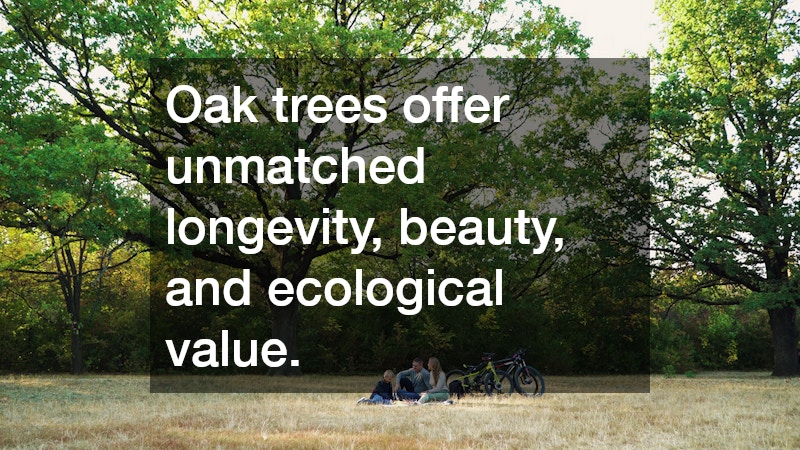
Oak trees offer unmatched longevity, beauty, and ecological value. By understanding the differences between varieties and aligning them with your landscape conditions, you can make a smart, lasting choice. Whether you prioritize fast growth, classic structure, or year-round greenery, there is an oak that fits your needs. Thoughtful planning and proper care ensure your investment continues to deliver value for generations.