Creating a Yard That Looks Great and Works for You
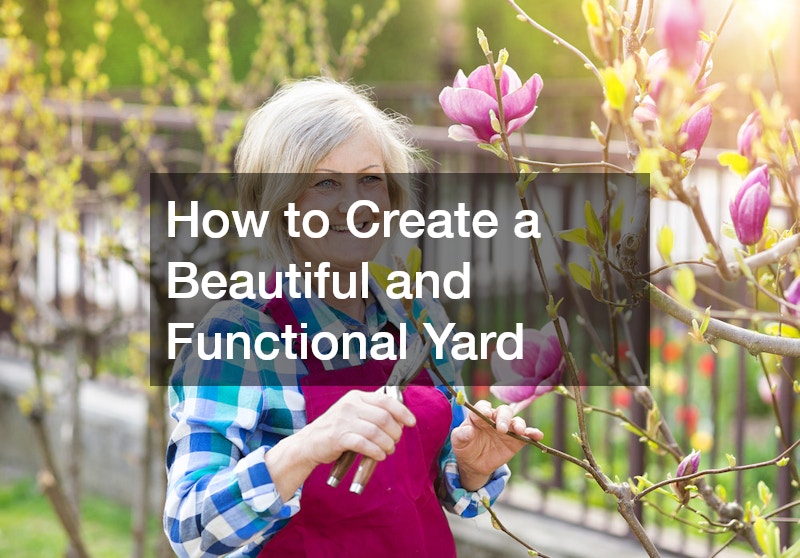
A well-designed yard should do more than simply enhance the appearance of your home—it should actively support the way you live day to day. Many homeowners initially focus on visual appeal, but a truly successful outdoor space combines both beauty and functionality. When your yard is thoughtfully planned, it becomes an extension of your home where you can relax, entertain guests, and enjoy time outside without constant upkeep or frustration.
Creating a yard that meets both aesthetic and practical needs starts with understanding how you want to use the space. Some homeowners prioritize quiet areas for relaxation, while others need open space for children, pets, or social gatherings. No matter your priorities, every design choice—from plant selection to layout—should contribute to making the space more usable and enjoyable. It’s also important to consider long-term maintenance. A yard that looks impressive but requires constant attention can quickly become overwhelming.
Instead, the goal is to create a balanced environment that works for your lifestyle. By taking a step-by-step approach—starting with planning, then preparing the space, improving soil, selecting plants, and maintaining everything over time—you can gradually transform your yard into something that feels both welcoming and manageable. With the right strategy, even small changes can lead to significant improvements in how your outdoor space looks and functions.
Start With a Clear Plan Before You Begin

Before making any changes to your yard, it’s essential to take a step back and develop a clear plan. Many homeowners make the mistake of jumping straight into planting or purchasing materials without fully considering how everything will come together. This often leads to wasted time, unnecessary expenses, and a yard that feels disorganized rather than cohesive. A thoughtful plan ensures that every improvement has a purpose and contributes to the overall design.
Start by evaluating how your yard is currently used and identifying areas that could be improved. Walk through the space and take note of how sunlight moves throughout the day, where water tends to collect, and which areas feel underutilized. Consider how people naturally move through the yard and whether pathways or transitions between spaces feel intuitive. These observations will help you create a layout that is both functional and visually appealing.
Next, think about how you want the yard to function in the future. Do you need a designated seating area, a place for gardening, or an open lawn for activities? Sketching a simple layout can help you visualize how different elements will fit together. Even a rough drawing can provide clarity and prevent you from making impulsive decisions.
Planning also allows you to prioritize projects based on your budget and timeline. By breaking the process into manageable steps, you can make steady progress without feeling overwhelmed.
Clear and Prepare the Space for Improvement
Before you can begin building a beautiful and functional yard, it’s often necessary to clear away anything that is holding the space back. Overgrown vegetation, dead plants, and unused features can make a yard feel cluttered and difficult to manage. Taking the time to remove these obstacles creates a clean starting point and makes it easier to implement new ideas effectively.
For larger properties or areas with dense growth, land clearing companies can help handle the heavy work. They are equipped to remove brush, debris, and unwanted vegetation efficiently, saving you significant time and effort. This step is especially important if your yard has been neglected or if you are planning a major redesign that requires open space.
In addition to clearing smaller plants and debris, it’s important to address larger features like trees. A professional tree service can assess the condition of your trees and determine whether any need to be removed or pruned. Removing damaged or unsafe trees improves safety and prevents potential issues down the line, while preserving healthy trees helps maintain natural beauty and shade.
Clearing your yard is more than just a cleanup process—it’s an opportunity to reset the space and prepare it for better functionality. By starting with a clean slate, you’ll have greater flexibility and control over how your yard develops moving forward.
Strengthen Your Foundation With Better Soil

Soil quality is one of the most important factors in determining the success of your yard, yet it’s often overlooked. Even the most carefully selected plants will struggle to thrive if the soil beneath them is compacted, lacking nutrients, or poorly structured. Improving your soil before planting is a crucial step that can save you time, money, and frustration in the long run.
One effective way to enhance soil quality is by adding top soil. This helps improve the structure of the ground, making it easier for roots to grow and access essential nutrients. It’s particularly useful for leveling uneven areas or creating new planting beds. By starting with healthier soil, you give your plants a much better chance of thriving.
Compacted soil is another common issue, especially in areas with frequent foot traffic. When soil becomes too dense, it restricts the flow of air, water, and nutrients. A lawn aeration service can address this problem by creating small openings in the soil, allowing these essential elements to reach the roots more effectively. This process can significantly improve the health and appearance of your lawn.
Taking the time to improve your soil sets the stage for everything that follows. When your foundation is strong, plants grow more easily, lawns look healthier, and maintenance becomes much more manageable.
Choose Plants That Fit Your Environment
Selecting the right plants is one of the most impactful decisions you’ll make when designing your yard. While it can be tempting to choose plants based solely on appearance, it’s far more important to consider how well they will perform in your specific environment. Factors like sunlight, soil type, and climate all play a role in determining whether plants will thrive or struggle.
Visiting a plant nursery can be incredibly helpful during this process. Knowledgeable staff can recommend plants that are well-suited to your local conditions and provide guidance on proper care. This can help you avoid common mistakes and ensure that your selections are both practical and visually appealing.
To add color and variety throughout the year, consider incorporating annual flowers into your design. These plants are ideal for creating seasonal displays and can be used to highlight entryways, borders, and focal points within your yard. By rotating them throughout the seasons, you can keep your outdoor space looking fresh and vibrant.
It’s also important to group plants with similar needs together. This makes watering and maintenance more efficient and helps ensure that each plant receives the care it requires. Thoughtful plant selection not only enhances the beauty of your yard but also reduces the amount of work needed to keep it looking its best.
Design Spaces That Support Everyday Activities
A yard should be more than just a decorative feature—it should serve a purpose in your daily life. By creating designated areas for different activities, you can make your outdoor space more functional and enjoyable. This approach allows you to use your yard more effectively while maintaining a sense of organization and flow.
Start by identifying how you want to use the space. Whether it’s relaxing, entertaining, gardening, or playing with children, each activity should have a defined area. For example, a seating area near your home can provide a convenient place to unwind, while an open lawn can serve as a versatile space for various activities.
Pathways and transitions between areas are also important. They guide movement through the yard and help protect grass and plants from unnecessary wear. Materials like stone, gravel, or pavers can add both functionality and visual interest.
Even smaller yards can benefit from thoughtful design. Using vertical elements, such as trellises or raised planters, can maximize space without making the area feel crowded. Multi-purpose features, like benches with built-in storage, can also enhance usability.
By designing your yard with intention, you create a space that feels natural, organized, and easy to use.
Keep Trees and Shrubs Healthy and Well-Shaped
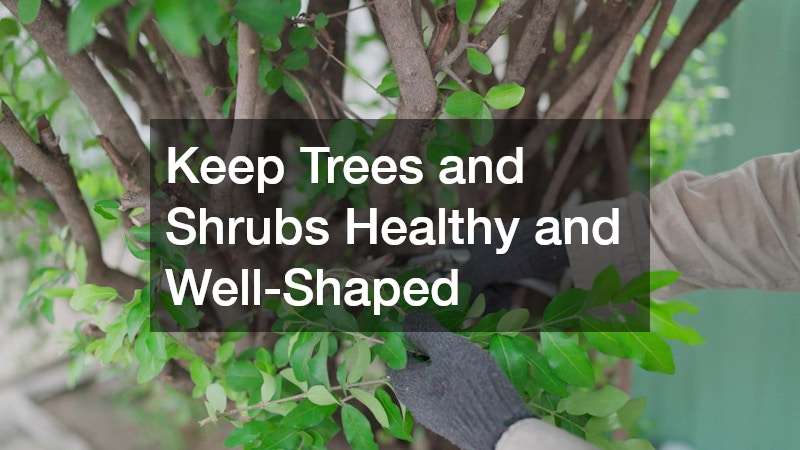
Trees and shrubs are essential elements of any yard, providing structure, shade, and visual interest. However, they require regular care to remain healthy and safe. Without proper attention, they can become overgrown, unattractive, or even hazardous.
Regular tree trimming is an important part of maintaining healthy trees. Removing dead or damaged branches not only improves the appearance of the tree but also reduces the risk of falling limbs. Proper trimming also encourages healthier growth and helps maintain the tree’s natural shape.
In addition to caring for trees, consistent landscape maintenance is necessary to keep shrubs, hedges, and garden beds in good condition. This includes pruning, weeding, and removing debris to prevent overgrowth and maintain a clean appearance. Regular maintenance ensures that your yard continues to look polished and inviting.
By staying on top of these tasks, you can prevent small issues from becoming larger problems. Healthy, well-maintained plants contribute to both the beauty and functionality of your yard, making it a more enjoyable space overall.
Set Up an Efficient Watering System
Watering is a critical part of maintaining a healthy yard, but it can be challenging to do consistently without the right system in place. An efficient watering setup ensures that all areas of your yard receive the moisture they need without wasting time or resources.
Installing sprinkler systems can simplify the process by providing even coverage across your lawn and garden beds. These systems can be customized to suit the specific needs of your yard, allowing you to adjust watering schedules based on weather conditions and plant requirements. This level of control helps prevent both overwatering and underwatering.
It’s also beneficial to divide your yard into zones based on plant type and sun exposure. This allows you to tailor watering schedules more precisely, ensuring that each area receives the appropriate amount of water. Incorporating features like timers and rain sensors can further improve efficiency.
A reliable watering system not only supports healthier plants but also reduces the effort required to maintain your yard. With consistent watering in place, your outdoor space will be better equipped to thrive.
Equip Yourself With the Right Tools
Having the right tools and materials on hand can make a significant difference in how easily you maintain your yard. Investing in quality garden supplies allows you to handle routine tasks more efficiently and keep your outdoor space looking its best.
Basic tools such as pruners, gloves, and hoses are essential for everyday maintenance. Additional items like mulch, fertilizer, and soil amendments can help improve plant health and soil quality. By keeping these supplies readily available, you can address small issues before they become larger problems.
It’s also important to store your tools properly. Keeping them clean and organized not only extends their lifespan but also ensures they’re easy to access when needed. This can save time and make maintenance tasks feel less overwhelming.
You don’t need to purchase everything at once. Start with the essentials and gradually expand your collection as your yard evolves. With the right tools in place, maintaining your yard becomes a more manageable and enjoyable process.
Establish a Simple Seasonal Care Routine
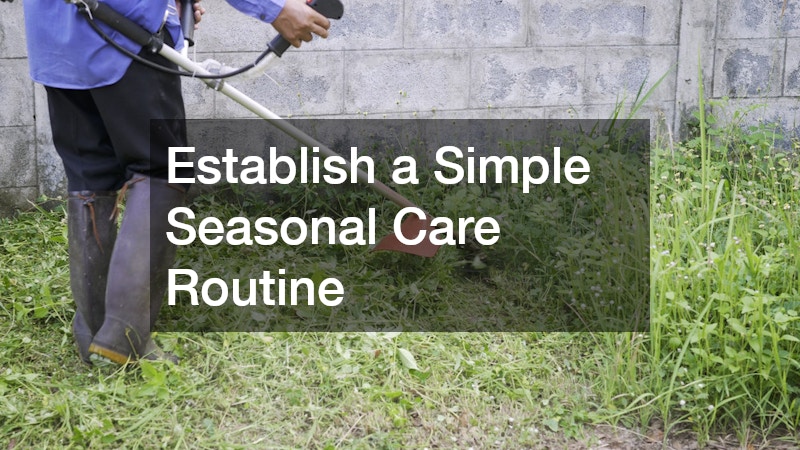
Maintaining a beautiful and functional yard requires consistent care throughout the year. Rather than trying to handle everything at once, breaking tasks into seasonal routines can make the process more manageable and effective.
In the spring, focus on cleaning up debris, preparing soil, and refreshing planting areas. Summer is the time to monitor watering, control weeds, and maintain plant growth. During the fall, you can prune certain plants, remove leaves, and prepare your yard for cooler weather. Winter is ideal for planning future improvements and protecting vulnerable plants.
Creating a simple checklist for each season can help you stay organized and ensure that important tasks aren’t overlooked. Consistent maintenance prevents small issues from becoming larger problems, saving you time and effort in the long run.
By following a seasonal routine, you can keep your yard looking its best year-round while maintaining its functionality and overall health.
Bringing Your Outdoor Vision to Life
Creating a yard that is both beautiful and functional is an ongoing process that evolves over time. By starting with a clear plan, preparing your space properly, and making thoughtful choices along the way, you can build an outdoor area that truly enhances your home.
The key is to focus on steady progress rather than perfection. Each improvement, no matter how small, contributes to the overall success of your yard. With consistency and care, your outdoor space can become a place where you feel comfortable, relaxed, and proud to spend your time.