True residential luxury extends far beyond the four walls of your house; it begins the moment you step out onto the grass. For many years, homeowners viewed their yards as simple, passive patches of turf designed to be mowed, edged, and largely ignored. Today, that narrow perspective has completely shifted. A modern residential yard is recognized as a vital, functional extension of the indoor living space—an open-air sanctuary designed for relaxation, gourmet cooking, fireside conversations, and active recreation.
Transforming a basic plot of land into a premium outdoor living environment requires a thoughtful shift from basic maintenance to proactive space design. When you approach your yard with a strategic vision, you are engineering an environment that maximizes your property’s usable square footage, improves privacy, and harmonizes with the surrounding nature. By combining purposeful spatial layouts, professional arboriculture, robust boundary lines, and localized plantings, a comprehensive landscaping overhaul can completely redefine your property’s footprint. The result is a seamless transition between indoor and outdoor environments that significantly boosts your daily comfort and elevates your home’s long-term market value.
Establish Functional Zones With Smart Hardscaping Layouts
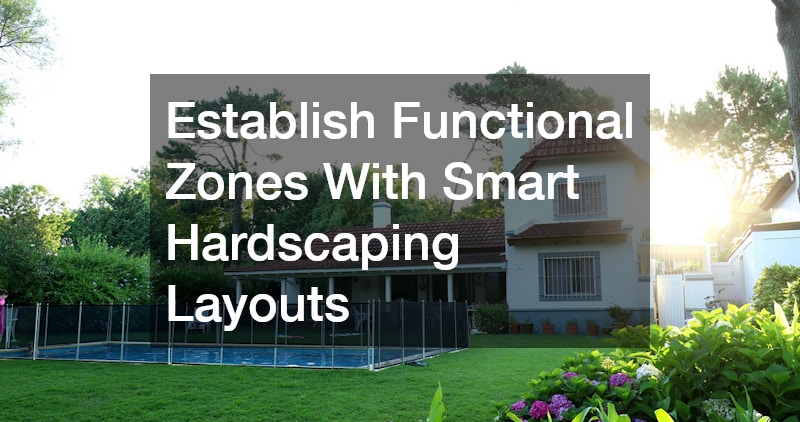
Just as an interior designer divides an open-concept indoor floor plan into a distinct living room, dining room, and kitchen, a skilled landscape architect uses structural features to define outdoor rooms. Without clear visual boundaries, a large backyard can feel empty and overwhelming, while a small yard can quickly look cluttered and disorganized. Hardscaping—the use of non-living elements like stone pavers, gravel pathways, retaining walls, and timber decks—provides the necessary framework to organize your outdoor space. By creating dedicated zones for different activities, you naturally guide the flow of movement across your property, making the entire landscape feel incredibly deliberate, cohesive, and inviting.
Connecting these spaces with clearly defined walkways prevents foot traffic from wearing paths into your grass and protects delicate flower beds from being trampled. Primary paths should be wide enough for comfortable walking, and materials must be selected to withstand local climate extremes.
-
Map Out Traffic Pathways: Install logical walkways using natural flagstone, concrete pavers, or fine crushed gravel. Ensure these primary paths are at least three to four feet wide so that people can walk comfortably without stepping into the soil.
-
Incorporate Vertical Dimensions: Break up the flat monotony of a standard yard by introducing multi-level structures. Terraced garden beds, raised stone planters, or a slightly elevated cedar deck add visual depth, separate distinct seating areas, and make a compact yard feel significantly larger.
To bring these complex layouts to life without encountering future structural issues, proper ground preparation is absolutely mandatory. Soil must be precisely graded, compacted, and outfitted with adequate subsurface drainage networks to ensure that heavy rainstorms do not wash away your investment or direct pooling water toward your home’s foundation. Partnering with a professional local backyard landscaping contractor guarantees that the heavy earthmoving, grading, and structural stonework are executed flawlessly.
As you sculpt these new stone and timber features into the earth, you must also consider the surrounding natural canopy. Existing mature trees provide an invaluable sense of permanence and architectural scale, but their root systems and sprawling branches must be protected and managed during construction. Incorporating professional tree services into your initial design phase ensures that your hardscaping elements do not accidentally sever critical anchor roots, allowing you to integrate stone patios seamlessly around your favorite shade trees without compromising their biological health.
Maximize Usable Square Footage by Clearing Hazardous Canopy Overgrowth
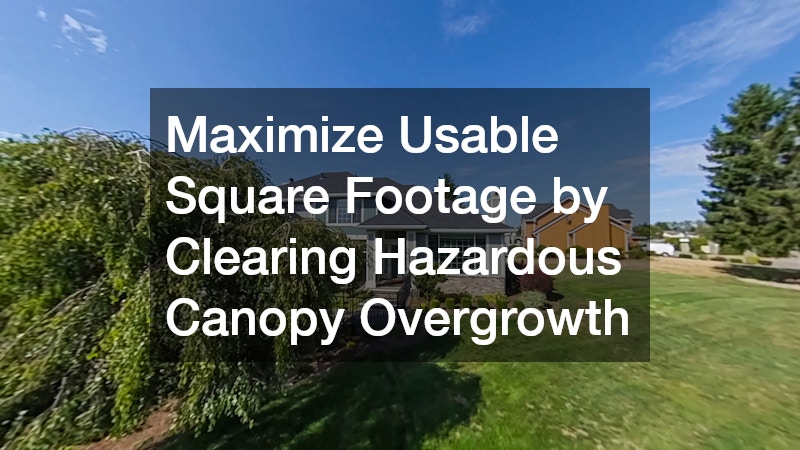
Many homeowners look out at their properties and realize they only actively use a small fraction of their available land. The rest is often abandoned because it is choked by dense brush, blocked by sprawling, low-hanging thickets, or overshadowed by dead, decaying timber that poses a constant physical hazard. Reclaiming this lost square footage is one of the fastest ways to expand your lawn, make room for a new pool, or build a secluded garden pavilion.
Clearing out dense, hazardous overgrowth requires a careful balance between aggressive reclamation and ecological preservation. You want to eliminate dead or structurally compromised vegetation while preserving healthy, vibrant specimens that add beauty and value to your landscape. Large, hollow trunks, split limbs, and trees suffering from advanced fungal rot are ticking time bombs, especially during intense storms.
-
Identify Structural Warning Signs: Routinely inspect large trees for deep bark cracks, cavities in the main trunk, shelf-like mushrooms growing near the roots, or a sudden, severe lean. These indicators suggest internal decay and mean the tree is a safety hazard to nearby seating areas.
-
Grind Away Subsurface Stumps: Do not leave old tree stumps rotting in your lawn. Professional grinding chews the wood down several inches below the soil surface, destroying subterranean pest colonies and leaving a smooth, clean slate.
When dealing with massive, leaning, or heavily decayed timber near your roofline or outdoor living areas, attempting a do-it-yourself extraction is incredibly dangerous. High-tonnage wood behaves unpredictably when cut, and a single miscalculation can result in severe property damage or tragic physical injury. Relying on licensed tree removal services ensures that specialized rigging, cranes, and safety gear are utilized to lower heavy branches to the ground piece by piece without touching your home, garden sheds, or utility lines.
Once the hazardous elements are cleared away, you will be amazed by how much extra breathing room your property suddenly possesses. Areas that were once dark, damp, and uninviting are instantly transformed into bright, open spaces flooded with natural sunlight. Initiating a plan for local tree removal clears the path for true structural transformation, allowing you to safely push back your wood line, maximize your usable acreage, and design a gorgeous, open landscape where your family can roam freely and safely.
Sculpt Ambient Lighting and Airflow via Strategic Pruning

A truly beautiful outdoor space balances natural light and comforting shade. Overgrown branches block healthy sunlight from reaching your patio, collect moisture that accelerates mold growth on your outdoor furniture, and completely smother the turfgrass below, leaving you with patchy, muddy ground. Strategic canopy management alters the physical microclimate of your yard, creating an airy, comfortable environment.
Sculpting your canopy involves selectively removing specific branches to alter how sunlight and wind interact with your living spaces. Rather than removing a beautiful tree entirely, a professional arborist uses precise pruning techniques to thin out the interior branches. This process allows gentle afternoon breezes to filter smoothly through the foliage to cool your seating areas while casting a soft, dappled shade that shields your skin from the harsh, direct sun.
-
Utilize the Three-D Inspection Rule: Prioritize the removal of any branches that are dead, damaged, or diseased. Eliminating these compromised limbs instantly cleans up the look of the plant and prevents decay from spreading into the main trunk.
-
Implement Crown Elevation: Carefully prune away lower branches up to eight or ten feet above the ground. Raising the canopy opens up panoramic sightlines across your entire property and creates space for outdoor furniture underneath.
To achieve this perfect balance of light and air without damaging the health of your plants, you must understand the unique growth habits of different species. Improper cuts can cause lasting structural damage, leaving a tree vulnerable to wood-boring insects and fungal infections. Enlisting certified tree trimming experts ensures that every single cut is made at the correct angle just outside the branch collar, which allows the bark to heal naturally and cleanly.
Investing in these targeted canopy adjustments completely changes how your landscape feels throughout the day. In the morning, golden sunlight can pierce through the leaves to warm your patio; in the afternoon, the high canopy acts as a natural umbrella, keeping your outdoor lounge several degrees cooler than the open street. Working with skilled tree removers to sculpt your overhead foliage transforms your backyard from a dark, overgrown thicket into a bright, airy paradise.
Fortify Boundaries to Secure Privacy and Reduce Sound Transmission
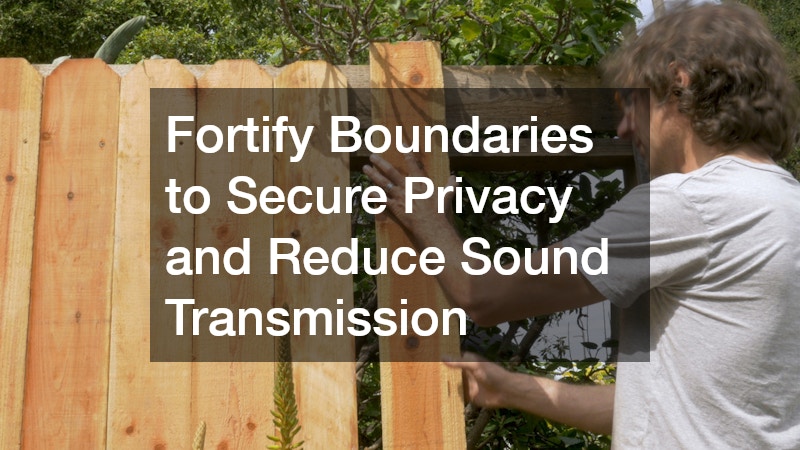
It is difficult to fully relax, entertain guests, or enjoy a quiet family dinner in an outdoor living space if you feel exposed to oncoming street traffic or the direct view of your neighbors. True comfort requires a profound sense of privacy and psychological security. A high-quality, professionally constructed perimeter fence solves this issue, serving as a protective boundary for your property. It provides a reliable security barrier to keep young children and pets safely inside while acting as a visual and acoustic buffer against the outside world.
Beyond its obvious functional benefits, a well-designed fence acts as a gorgeous architectural backdrop for the rest of your landscaping projects. The right perimeter enclosure frames your garden beds, makes green foliage pop, and ties your entire yard’s aesthetic together.
-
Block Unwanted Sightlines: Install solid privacy fencing along shared property lines to turn your patio into a completely secluded retreat where you can lounge or dine without feeling watched.
-
Dampen Ambient Neighborhood Noise: Solid, heavy fencing materials act as an effective acoustic barrier, reflecting and absorbing high-frequency sounds from nearby traffic and neighbor conversations.
Building a straight, strong fence that can withstand wind loads and shifting soils requires precision engineering. Post holes must be bored to an exact depth, positioned perfectly true, and anchored in deep concrete footings that sit securely below the local frost line. Skimping on these hidden structural details leads to sagging panels, leaning posts, and gates that refuse to latch after just a single season of heavy rain. Securing a skilled fence contractor guarantees that your perimeter is built to last, utilizing premium fasteners and perfectly leveled rails that follow the natural contours of your land.
When you step out into a securely enclosed yard, the entire atmosphere changes. The space instantly feels warmer, more intimate, and entirely yours. Partnering with a professional local fencing company allows you to review a massive variety of material grades, height profiles, and custom gate configurations tailored specifically to your budget and privacy goals.
Revitalize and Maintain Existing Enclosures for Seamless Continuity
An outdoor living space is only as beautiful as its weakest detail. You can invest thousands of dollars into premium flagstone patios, designer outdoor kitchens, and flawlessly sculpted gardens, but if those features are surrounded by a sagging, weathered, or broken perimeter fence, the entire landscape will look unkempt and abandoned. An old, unmaintained boundary line doesn’t just ruin your property’s visual appeal; it also introduces serious security vulnerabilities, allowing local wildlife to wander into your gardens.
Regular structural updates preserve your initial investments and keep your outdoor retreat looking cohesive and polished over time. Wooden boundaries are particularly susceptible to the elements, constantly fighting a battle against UV fading, moisture absorption, wood rot, and insect damage.
-
Perform Annual Hinge and Latch Adjustments: Heavy gates naturally sag over time due to constant gravity and frequent use. Tighten and adjust your gate hardware every spring to prevent the bottom edges from dragging across your grass or pavers.
-
Apply Protective Weather Seals: Pressure-wash wooden enclosures every two to three years to strip away sun-damaged wood fibers, then apply a premium, UV-resistant stain or waterproof sealant to prevent warping and deep rot.
When a perimeter enclosure has suffered extensive structural damage—such as rotted support posts snapped off at the ground level or multiple panels crushed by a fallen winter branch—patchwork repairs are no longer effective. In these scenarios, delegating the heavy restoration work to professionals saves immense time and frustration. Sourcing an expert fence repair service allows you to swap out failed structural anchors safely without destabilizing the surrounding panels.
For properties with severely outdated, rotting enclosures that are completely beyond saving, investing in certified fence installers to completely tear down and replace the old line is the smartest path forward. A modern, professionally installed boundary line instantly revitalizes your home’s curb appeal and provides a clean, beautiful backdrop that enhances every single flower, tree, and stone feature in your yard. Taking care of your perimeter boundaries ensures your entire landscape stays safe, private, and pristine.
Conclusion
Achieving a perfectly balanced, year-round indoor environment requires looking at your home as a single, interconnected system. Real comfort is no longer about forcing a single machine to run at maximum capacity until it breaks; it is about utilizing smart technology to create an intelligent, responsive living environment. By blending smart thermostat sensors, automated zoning, proactive system diagnostics, and dynamic window insulation, your home ceases to be a passive box and becomes an intuitive, self-regulating sanctuary.
While investing in these smart home improvements requires an initial investment of planning and capital, the return on that investment arrives every single day. You will see it in the form of lower energy bills, reduced mechanical stress on your home’s infrastructure, and an uncompromised standard of daily comfort for your family. By automating the tiny details of climate management, tracking your system’s health data, and reinforcing your structural boundaries, you can enjoy a flawless, worry-free indoor environment every day of the year, no matter what nature is doing outside your front door.