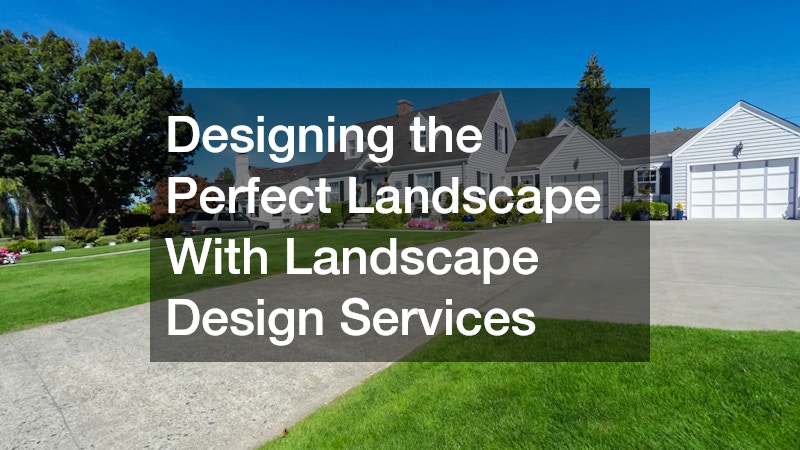
A home’s exterior is far more than just a surrounding patch of green; it is an organic extension of the indoor living environment, a sanctuary for personal relaxation, and the primary driver of initial curb appeal. Transforming an ordinary yard into a breathtaking, functional outdoor paradise requires a delicate balance of architectural planning, botanical knowledge, structural engineering, and artistic expression. While small DIY gardening projects can be rewarding for minor weekend upgrades, conceptualizing and executing a comprehensive outdoor transformation is often complex and overwhelming. Partnering with professional landscape design services allows homeowners to bridge the gap between ambitious outdoor dreams and structural reality, turning underutilized yards into harmonious, living masterworks that elevate daily life.
Assessing Vision, Environment, and Functionality
Every successful landscape transformation begins with a thorough, deliberate evaluation of both the site’s natural characteristics and the homeowner’s unique lifestyle needs. Before a single shovel touches the dirt, a deep analysis of environmental variables must take place.
Factors such as soil composition, sun exposure patterns throughout the day, drainage slope, microclimates, and local wind directions dictate what can realistically thrive in a given environment. A design that looks stunning in a home garden magazine may quickly deteriorate if planted in unsuitable soil conditions or without proper light exposure.
Beyond environmental conditions, functionality remains the cornerstone of sound outdoor spatial planning. A family with young children and energetic pets requires entirely different spatial organization than a couple focused on high-end evening entertaining or an avid gardener seeking continuous seasonal blooms. Modern outdoor spaces are increasingly tasked with serving multiple roles simultaneously: alfresco dining kitchens, cozy fire pit lounges, quiet reading nooks, and sprawling play lawns. Comprehensive outdoor spatial planning helps translate vague ideas into concrete plans that optimize spatial flow, ensuring that hardscapes and living plantings work together seamlessly rather than competing for attention.
Harmonizing Hardscapes and Softscapes
The backbone of any memorable landscape is the deliberate interplay between hardscaping—the non-plant structural elements—and softscaping, which encompasses the living botanical life. Achieving the perfect equilibrium between these two distinct forces prevents an outdoor space from feeling either uncomfortably stark or wildly overgrown.
Hardscaping: Structure, Geometry, and Utility
Hardscaping elements define the geometry, circulation, and structural foundation of the yard. Patios, flagstone walkways, retaining walls, pergolas, and outdoor kitchens form the foundational “rooms” of the overall outdoor experience.
-
Patios and terraces: Function as primary outdoor living rooms. Choosing high-quality materials like natural stone, interlocking pavers, or stamped concrete sets the architectural tone of the entire property.
-
Walkways and paths: Guide movement, invite exploration, and intuitively connect distinct zones within the yard while keeping foot traffic off vulnerable lawn areas.
-
Retaining walls: Solve tricky grading issues, control soil erosion, and create terraced planting zones that add dramatic vertical interest and architectural depth.
-
Shade structures: Pergolas, arbors, and pavilions provide relief from the summer sun, define specific conversation areas, and offer strong vertical support for climbing vines and hanging flora.
Softscaping: Color, Texture, and Biodiversity
While hardscaping provides the frame, softscaping paints the picture with organic life. Selecting the right combination of canopy trees, ornamental shrubs, perennials, groundcovers, and turf is both an art form and an ecological strategy. Plant selection must account for mature size, seasonal bloom times, color harmony, and foliage texture across all four seasons. Experienced providers of landscape design services select plant palettes that thrive naturally in local microclimates, prioritizing native species that require less water and fertilizer while attracting beneficial pollinators like bees, butterflies, and native birds.
Integrating Modern Outdoor Amenities
Beyond basic lawn care and traditional garden beds, contemporary landscape design incorporates multi-sensory features that elevate the entire outdoor living experience into a luxurious resort-like retreat.
-
Fire features: Custom fire pits and outdoor fireplaces extend the usability of the yard into cooler autumn and early spring months. They naturally become the central focal point of evening gatherings, offering warmth, soft ambient light, and a cozy gathering place for family and friends.
-
Water features: Cascading waterfalls, serene koi ponds, or sleek modern water walls add visual tranquility while generating soothing white noise that effectively masks unwanted neighborhood traffic.
-
Architectural lighting: Low-voltage LED landscape lighting serves dual purposes: essential security and artistic ambiance. Strategic uplighting highlights mature tree canopies, path lighting ensures safe nighttime footing, and subtle accent lighting showcases hardscape textures after dusk.
-
Sustainable systems: Rain gardens, permeable pavers, smart irrigation controllers, and xeriscaping principles ensure the landscape remains eco-friendly, conserving water resources while managing stormwater runoff effectively across the entire property.
A thoughtfully designed landscape is far more than a visual upgrade; it is a long-term investment in quality of life and real estate value. Professionally landscaped properties routinely enjoy higher resale values, increased curb appeal, and faster sales times on the real estate market. More importantly, a tailored outdoor space encourages an active, healthy lifestyle by inviting people to step away from digital screens, connect with nature, and host memorable experiences with loved ones. Ultimately, investing in expert landscape design services ensures that your outdoor environment matures gracefully over time, flourishing into a sustainable sanctuary that provides continuous joy, beauty, and comfort across every season.