
A sloped backyard can turn a weekend of planting into a season of frustration, as mulch washes down the hill and new plants sit in puddles or bone-dry pockets. Erosion on a slope is rarely about bad luck; it is almost always about water, soil structure, and plant choices working against each other. Understanding why your beds keep sliding, sinking, or washing out is the first step toward a landscape that actually holds together. This guide breaks down the most common causes of slope erosion and the practical fixes that stop the cycle for good.
Grading and Slope Angle Problems
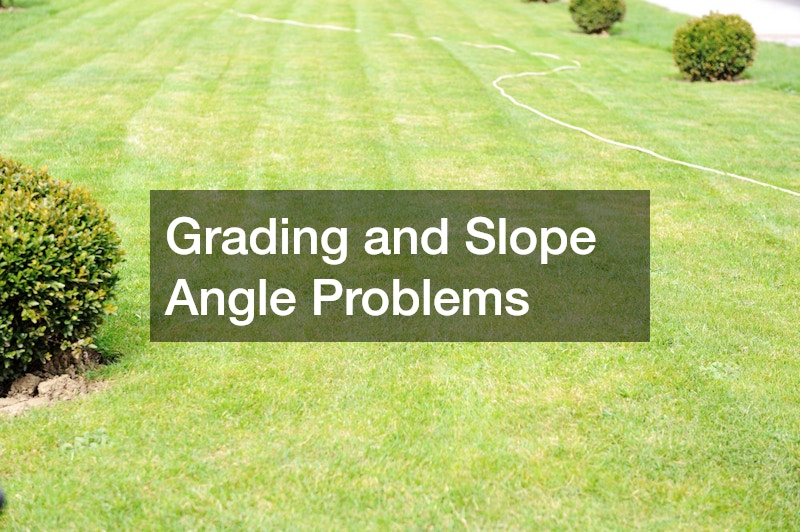
Before you blame the plants, look at the shape of the land itself. Slopes steeper than a 3:1 ratio, meaning three feet of horizontal distance for every one foot of vertical drop, are naturally prone to erosion because water simply moves too fast to soak in. If your beds sit on a slope steeper than that, no amount of mulch or ground cover will fully solve the problem without some regrading or terracing.
Regrading is heavy work and often requires equipment most homeowners do not own or want to rent for a single project. This is one of the few times it makes sense to bring in professionals rather than DIY your way through it, especially if the slope affects drainage near your home’s foundation.
- A slope steeper than 33 percent grade is considered high erosion risk
- Terracing breaks a long slope into flatter, more stable sections
- Regrading should always direct water away from structures, not toward them
- Steep slopes near property lines may require a licensed grading contractor
Soil Type and Structure Beneath New Beds
Not all dirt behaves the same way on a hill. Sandy soil drains fast but offers little to hold roots or structure in place, while heavy clay soil sheds water instead of absorbing it, sending it downhill in sheets during storms. Most eroding backyards have some mix of both problems layered unevenly across the slope, which is why water seems to pool in one bed and vanish in another.
Amending soil with compost or aged organic matter improves both water retention and structure, giving roots something to grip. This step matters more on slopes than on flat ground, because the improved soil needs to resist being washed away before it ever gets the chance to support plant growth.
- Clay soil often needs added organic matter to improve drainage
- Sandy soil benefits from compost to slow water movement
- A simple squeeze test can reveal whether soil is too sandy or too dense
- Soil testing kits are inexpensive and worth doing before planting again
Water Flow Patterns From Roof and Downspouts
A surprising number of eroding beds have nothing to do with rainfall directly hitting the slope and everything to do with where roof runoff lands. Downspouts that empty directly onto a slope concentrate a huge volume of water into one narrow channel, carving trenches through freshly planted beds within a single storm season. Redirecting that water with extensions, splash blocks, or buried drainage pipe often solves erosion problems that seemed impossible to fix with plants alone.
- Downspout extensions should carry water at least four to six feet from the foundation
- French drains can intercept and redirect subsurface water on a slope
- Dry creek beds disguise drainage channels as a landscaping feature
- Check gutters twice a year to make sure they are not overflowing onto beds
Root Systems and Established Plant Cover
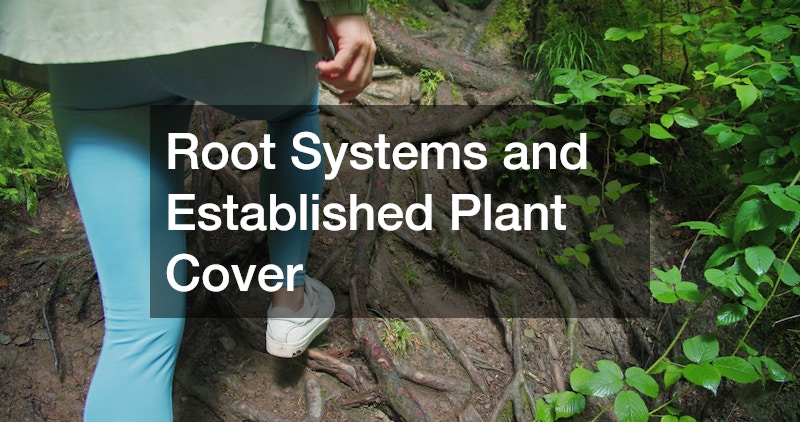
Bare or newly planted slopes erode faster simply because young root systems have not had time to knit the soil together yet. Established grasses, shrubs, and ground covers create a web of roots underground that physically holds soil in place, which is why an overgrown, neglected slope sometimes erodes less than a freshly landscaped one. If a previous property owner relied heavily on lawn to hold a hillside, removing that lawn all at once for new beds can trigger erosion almost immediately.
When large trees are removed from a slope, their root systems eventually decay and stop providing structural support, which can destabilize soil that seemed fine for years. Anyone planning significant tree removal on a slope should think about erosion control before cutting, not after. A reputable tree company can advise on which trees are safe to remove and which are doing quiet structural work holding the hillside together.
- Deep-rooted native plants generally outperform shallow-rooted ornamentals on slopes
- Ground covers like creeping juniper or sedum stabilize soil quickly
- Avoid stripping large sections of established root cover in one project
- Stagger new plantings so some root structure is always in place
Mulch Type and Placement Choices
Mulch is meant to protect soil, but the wrong type on a slope can actually accelerate erosion instead of preventing it. Lightweight shredded mulch floats and washes downhill in the first heavy rain, leaving bare soil exposed exactly where you need protection most. Heavier options like bark nuggets, rock, or erosion control mats stay put better and are worth the extra cost on anything steeper than a gentle grade.
- Shredded hardwood mulch is more erosion-resistant than pine straw on slopes
- Jute or coir erosion mats can hold mulch and seed in place while plants establish
- Avoid piling mulch more than three inches deep on inclines
- Rock mulch works well in high-flow channels where water moves fastest
Overgrown Vegetation and Debris Buildup
A slope choked with dead leaves, fallen branches, and overgrown brush does not drain the way it should, and trapped organic debris can actually redirect water into unpredictable channels. Clearing that buildup before installing new beds gives you a clean, visible picture of how water actually moves across your yard. Many homeowners skip this step and end up fighting erosion patterns caused by debris they never noticed.
For larger properties or slopes with heavy brush, a one-time yard clean up focused specifically on the sloped area can reveal drainage problems that were previously hidden. This is also the point where dead or leaning trees should be flagged, since they pose both a safety risk and a future erosion risk once their roots give way. Taking care of this before planting saves time and money compared to redoing beds later.
- Clear dead leaves and branches before assessing drainage patterns
- Flag leaning or dead trees for removal before they fall on their own
- Remove invasive brush that may be diverting water unpredictably
- Recheck the slope after any major storm for new debris buildup
Erosion Risk From Recent Land Disturbance
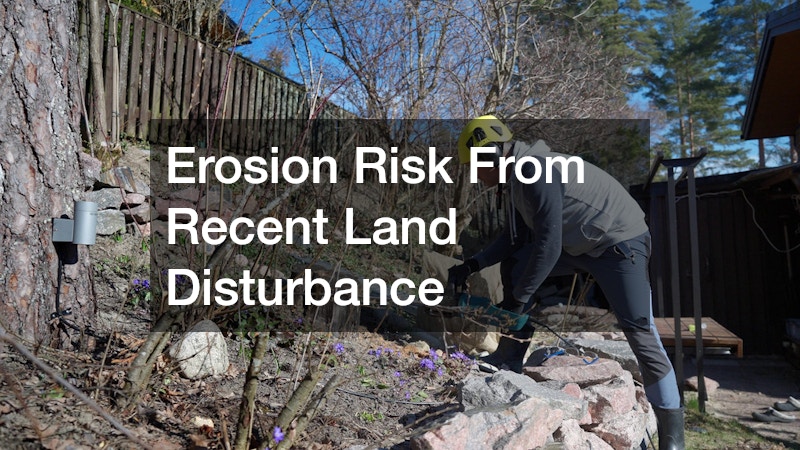
If your sloped backyard erosion started right after construction, a new driveway, or a cleared lot, the timing is not a coincidence. Disturbed soil takes months or even years to settle and regain natural stability, and it erodes far more easily than undisturbed ground during that window. This is especially common on newer homes built on lots that were graded quickly to make way for construction.
Working with land clearing companies that understand slope stabilization can make a real difference on new or recently disturbed lots. Proper practices include leaving buffer strips of vegetation, installing silt fencing during the disturbance period, and reseeding disturbed soil immediately rather than leaving it bare. Skipping these steps is one of the most common reasons new landscaping on a slope fails within the first year.
- Newly graded soil can take one to three years to fully stabilize
- Silt fencing during construction prevents soil from washing into storm drains
- Immediate reseeding after clearing reduces bare-soil erosion windows
- Buffer strips of unmowed vegetation slow runoff at the base of a slope
Weed Competition and Bare Soil Exposure
Bare soil between new plants is an open invitation for both weeds and erosion, since nothing is anchoring the surface while your intended plants are still small. Weeds that do take hold often have shallow, aggressive root systems that compete with your new plants for water without providing much erosion protection in return. This creates a frustrating cycle where the slope looks green but is still washing out underneath.
Consistent weed control services can keep aggressive growth from crowding out the deeper-rooted plants you actually want holding the soil together. Combined with proper mulching and spacing, managing weeds early gives your intended ground cover the head start it needs to establish a stable root network. Waiting too long to address weeds on a slope often means starting the bed over from scratch.
- Shallow-rooted weeds provide little erosion protection compared to intended plantings
- Pre-emergent treatments can reduce weed pressure before planting
- Hand-pulling is often safer than tilling on a slope, since tilling loosens soil further
- Mulch combined with weed control reduces bare soil exposure significantly
Nutrient Loss and Fertilization Timing
Erosion does not just wash away soil; it washes away nutrients that plants need to build strong, stabilizing root systems in the first place. A slope that loses topsoil every heavy rain is also losing the organic matter and minerals that would otherwise support deep rooting. This is why plants on an eroding slope often look stunted or yellow even when they are watered regularly.
A properly timed fertilizing service can help replace lost nutrients and encourage the kind of root development that actually resists erosion long-term. Fertilizing right before a plant’s active growing season gives roots the best chance to expand and anchor before the next round of heavy rain arrives. Over-fertilizing or applying at the wrong time, however, can cause excess growth above ground without the root strength to match below it.
- Slow-release fertilizers are generally better suited to slopes than fast-acting ones
- Apply fertilizer before active root growth periods, not during dormancy
- Avoid fertilizing right before a predicted heavy rain, as it can wash away unused fertilizer
- Healthy root systems from proper feeding directly reduce erosion over time
Irrigation Design for Sloped Landscaping
Standard sprinkler systems designed for flat lawns often work against you on a slope, since water applied faster than the soil can absorb it simply runs downhill instead of soaking in. This is one of the most overlooked causes of erosion in new beds, because the irrigation itself seems unrelated to the drainage problem. Experienced lawn sprinkler installers can design zones specifically for sloped terrain, using lower-flow heads and shorter, more frequent cycles that mimic natural rainfall absorption.
Even a well-designed system needs regular attention, since a single broken head or misaligned spray pattern on a slope can create a concentrated erosion channel within weeks. Scheduling a sprinkler maintenance company to inspect the system each season catches these issues before they cause visible damage to new beds. Small adjustments, like changing a spray pattern or reducing runtime, often make a bigger difference than any amount of replanting.
- Drip irrigation reduces surface runoff compared to standard spray heads on slopes
- Shorter, more frequent watering cycles absorb better than long single sessions
- Check for pooling or channeling within an hour of each watering cycle
- Seasonal inspections catch broken heads before they erode new bed lines
When to Bring in Outside Help for Slope Stabilization
Some slope problems are well within reach of a motivated homeowner, but others involve enough soil movement, structural risk, or specialized equipment that outside expertise saves both time and money. If your slope involves large trees, significant grading, or repeated erosion despite reasonable fixes, it is worth getting a professional opinion before investing in another round of plants. A knowledgeable timber buyer can even offer value for large trees that need to come down as part of a broader stabilization plan, turning a removal cost into at least a partial return.
Ongoing tree care also plays a bigger role in slope stability than most people expect, since healthy trees with strong root systems act as long-term anchors for hillside soil. Regular tree trimming services keep canopies balanced so trees are less likely to lean, uproot, or drop heavy limbs during storms, which protects both the slope and whatever is planted beneath it. Combining tree care with the drainage and planting fixes covered above gives a sloped yard its best chance at long-term stability.
- Get a professional assessment if erosion continues despite grading and planting fixes
- Large tree removal on a slope should always include a stabilization plan
- Regular tree trimming reduces the risk of storm damage disturbing the slope
- A timber buyer may offer value for large, healthy trees removed during stabilization work
A sloped backyard does not have to be a losing battle against erosion once you understand the combination of grading, water flow, plant roots, and maintenance habits working against your new beds. Start by observing where water actually moves during the next rain, then address the biggest contributing factors first, whether that is downspout placement, soil type, or root stability. Small, consistent maintenance often prevents the dramatic washouts that undo an entire season of planting. With the right combination of fixes, your slope can hold soil, support healthy plants, and finally stop erasing your landscaping efforts every time it rains.