A Better Way to Think About Your Outdoor Space
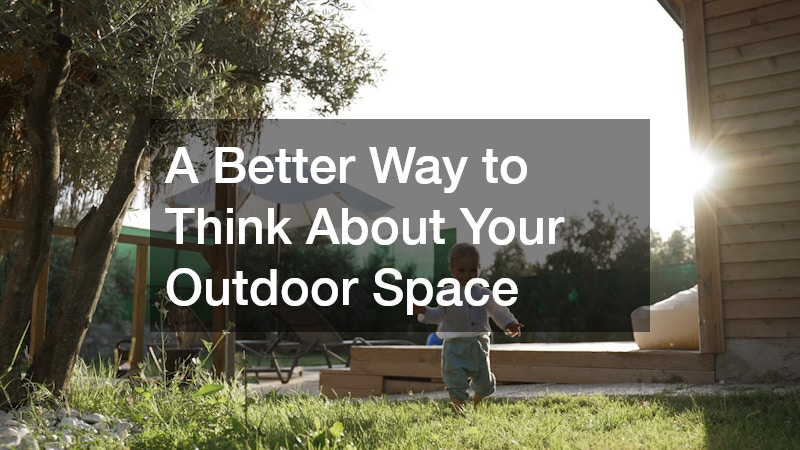
A great yard does more than look attractive from the street. It should make your home more comfortable, create usable outdoor areas, support healthy growth, and reduce maintenance problems over time. Whether you want a relaxing retreat, a better place to entertain, or a more functional family space, the best results come from planning the entire property before starting individual upgrades.
Many homeowners approach outdoor projects one at a time. They may add a seating area, replace plants, install a walkway, or improve one corner without thinking about how each change affects the rest of the property. That can lead to awkward layouts, poor drainage, wasted space, or features that look nice but do not fit daily life.
Complete yard planning helps prevent those problems. When you consider shade, movement, water, safety, comfort, and long-term care together, every decision becomes more useful. A thoughtful plan allows each improvement to support the next, creating an outdoor space that feels connected, practical, and enjoyable for years.
Start With a Property Assessment Before Making Changes
Before choosing materials, plants, or outdoor features, study your property as it is now. Walk the yard at different times of day and observe sunlight, shade, wind, and moisture patterns. Identify low areas where water collects, bare lawn patches, slopes, compacted soil, and natural footpaths. These factors will shape nearly every design decision.
Also note what is already working. Mature plants, open lawn areas, existing beds, fences, and natural shade can all be valuable assets. Not everything needs to be removed; preserving strong features while improving problem areas often leads to better results.
Address underlying issues early. Drainage problems, uneven ground, or overgrown areas should be corrected before cosmetic upgrades. New plants may fail in compacted soil, and seating areas can become unusable if placed in wet zones. Fixing these conditions first ensures long-term success.
If you are unsure where to begin, consider consulting a landscaping service during the planning stage. Professionals can identify hidden concerns, recommend practical improvements, and prioritize projects. Comparing multiple landscaping businesses can also help you evaluate design approaches, budgets, and timelines before committing.
Once you understand your property, create a phased improvement plan. Separate urgent needs from future upgrades. Safety concerns, drainage issues, failing structures, and access problems should come before decorative additions. A phased approach helps manage costs while keeping your overall vision clear and achievable.
Protect Mature Trees Before Investing in Other Upgrades
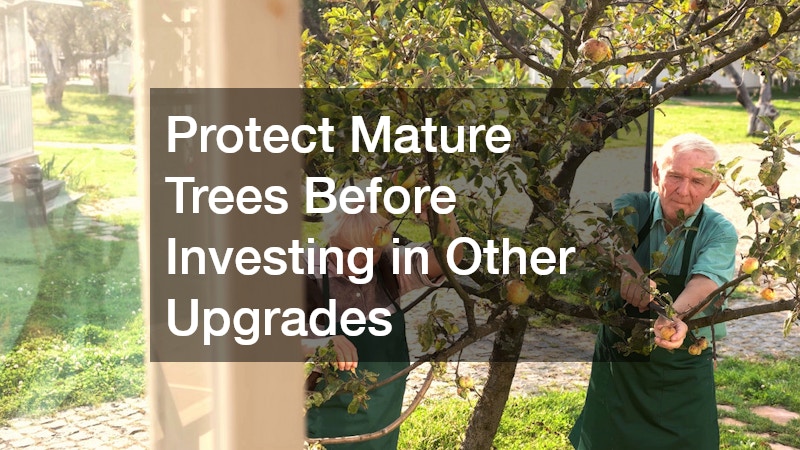
Trees are often among the most valuable features in a yard. They provide shade, add privacy, improve curb appeal, and make outdoor spaces more comfortable during warm weather. Because mature trees take years to grow, protecting healthy ones should be a priority before making major changes nearby.
Start by checking trees for visible warning signs. Look for dead branches, cracked limbs, leaning trunks, fungal growth, hollow sections, exposed roots, or sudden leaf loss. These issues may point to disease, storm damage, pests, or structural weakness. A tree may look fine from a distance but still have problems that need attention.
It is also important to consider how construction work may affect tree health. Digging, grading, compacting soil, or changing drainage near roots can stress or damage a mature tree. Heavy equipment can also harm root zones if access routes are not planned carefully. Before installing walkways, seating areas, or other features near large trees, make sure the root system has enough protection.
A qualified tree service can evaluate health, safety, and long-term maintenance needs. This is especially helpful for large trees near homes, fences, driveways, or outdoor gathering areas. Professional guidance can help you decide whether a tree should be preserved, treated, pruned, or removed before other improvements begin.
Routine care also matters. Proper tree trimming helps remove hazardous limbs, improve structure, and allow more light and airflow through the canopy. However, trimming should be done carefully. Removing too much growth at once or making poor cuts can weaken the tree. The goal is to support long-term health, not just improve appearance.
Planning around trees can also improve comfort. A shaded seating area may need fewer added structures, and a healthy canopy can frame views or create a natural outdoor room. Treat trees as important design features rather than obstacles.
Design Outdoor Spaces Around How You Actually Live
A successful yard should match the way your household uses outdoor space. Before adding features, think about your daily routines. Do you want a quiet place for coffee? A safe area for children or pets? A space for family dinners? A larger setting for weekend gatherings? Clear priorities help you avoid spending money on features that look appealing but rarely get used.
Start by dividing the yard into activity zones. These might include dining, lounging, cooking, gardening, play, storage, or open lawn space. Each zone should have a clear purpose and enough room to function comfortably. For example, an outdoor dining area needs space for a table, chairs, movement around the table, and easy access from the house.
Traffic flow is just as important as the zones themselves. People should be able to move naturally between doors, seating areas, garden beds, and storage areas without cutting across delicate plants or muddy lawn. Good circulation makes a yard feel more comfortable and easier to use.
Thoughtful backyard design also considers privacy, noise, views, and sun exposure. A lounge area may feel better when placed away from a busy street or screened with plants. A play area may need visibility from the house. A grilling area should be convenient but not so close to seating that smoke becomes a problem.
Think about comfort throughout the year. A space that gets strong afternoon sun may need shade. A low area may stay too wet in spring. A windy corner may need screening before it becomes useful. These details often determine whether an outdoor area becomes a favorite spot or goes unused.
The best designs balance beauty with function. Choose features because they support how you live, not just because they are popular. When every area has a purpose, the yard feels more organized and valuable.
Build Durable Foundations That Support Long-Term Use
The surfaces and structural elements in a yard create the foundation for how the space works. Walkways, steps, walls, borders, and paved areas guide movement, define zones, and protect planted areas from wear. When these elements are planned well, the yard becomes easier to navigate and maintain.
Material choice is one of the most important decisions. Concrete, natural stone, brick, gravel, and pavers all have different advantages. Some materials offer a clean, modern look, while others feel more rustic or traditional. Maintenance needs also vary. Gravel can be affordable and flexible, but it may shift over time. Pavers are attractive and repairable, but they require proper base preparation to prevent settling.
Climate should influence your choices. In areas with freeze-thaw cycles, surfaces need to handle expansion and contraction. In hot climates, some materials may become uncomfortable underfoot. In rainy areas, drainage and slip resistance are especially important. Choosing materials based only on appearance can lead to frustration later.
Hardscaping should also improve accessibility. Walkways should be wide enough for comfortable movement, especially in high-use areas. Steps should be even and easy to see. Transitions between surfaces should feel smooth and safe. If you want the yard to be welcoming for guests of different ages, avoid overly narrow paths, unstable surfaces, and unnecessary level changes.
Durable foundations also protect the landscape. Clearly defined paths reduce foot traffic through lawns and planting beds. Retaining walls can manage slopes and erosion. Borders can help contain mulch or gravel. These features may not always be the most exciting part of a yard plan, but they make every other improvement perform better.
Good installation is critical. Even quality materials can fail if the base is poorly prepared or drainage is ignored. Strong foundations help prevent cracking, sinking, puddling, and uneven surfaces in the future.
Create Comfortable Gathering Spaces for Every Season
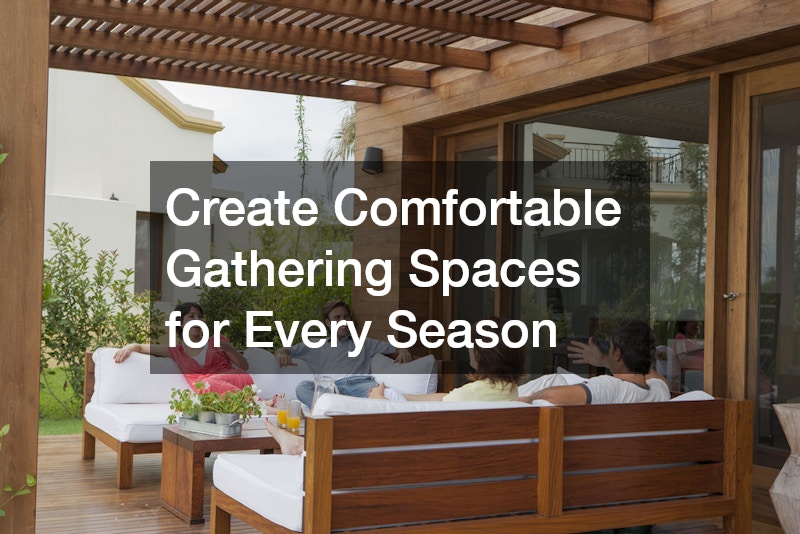
Outdoor gathering areas should feel inviting, practical, and comfortable. Whether you prefer quiet evenings or frequent entertaining, the layout should support how people sit, move, eat, and relax. Start by deciding how many people you want to accommodate. A small family seating area has different needs than a space designed for larger gatherings.
Patios are often the central gathering point because they provide a stable surface for furniture, grills, and décor. Placement matters. A patio near the kitchen works well for dining, while one farther into the yard may feel more private. Consider how easily people can carry food, access seating, and move between indoor and outdoor spaces.
Furniture layout should encourage conversation and comfort. Leave enough space for movement and avoid overcrowding. Flexible furniture, such as movable chairs or modular seating, helps the space adapt to different occasions.
Shade is essential. Without it, even a well-designed seating area may be uncomfortable during hot weather. Pergolas can define an outdoor room while providing partial shade and visual interest. They can also support plants, curtains, or lighting.
Think beyond summer use. Wind protection, fire features, heaters, and covered areas can extend usability. Weather-resistant furniture and simple storage solutions also improve convenience.
Finally, connect the gathering space to the rest of the yard. Nearby planting beds, paths, or lighting help the area feel intentional. When comfort, access, shade, and layout work together, the result is a space people naturally enjoy.
Install Efficient Watering Systems That Reduce Waste
Water management is essential for a healthy, manageable yard. Too little water stresses lawns, trees, and plants, while too much leads to runoff, disease, erosion, and wasted money. A strong plan matches watering methods to each area’s needs.
Different areas require different strategies. Lawns need broad, even coverage, while garden beds benefit from slower, targeted watering. Trees and shrubs often need deeper watering to reach the root zone. Treating all areas the same can cause weak growth or overwatering.
A sprinkler system can improve consistency, especially in larger yards, but must be designed carefully. Sprinkler heads should cover intended areas without spraying sidewalks, fences, driveways, or the house, as poor placement wastes water and can cause damage.
Smart controls increase efficiency. Weather-based controllers, rain sensors, and programmable zones adjust watering based on conditions, preventing unnecessary use and allowing tailored moisture levels. Seasonal adjustments are also important.
Soil type matters. Sandy soil drains quickly and may need frequent watering, while clay soil holds moisture longer but requires careful timing to avoid runoff. Mulch helps retain moisture and reduce stress.
Efficient watering supports plant health, reduces waste, and minimizes maintenance, helping every part of the yard thrive.
Extend Outdoor Enjoyment After Sunset
A yard should not become unusable after sunset. With the right plan, evening outdoor spaces can feel safe, welcoming, and visually appealing by using light strategically instead of simply making everything bright.
Start with safety. Walkways, steps, entrances, driveways, and elevation changes should be visible at night. Low-level fixtures guide movement without glare, while lighting around doors and gates improves security and navigation.
Next, focus on gathering areas. Seating and dining spaces need enough light for comfort without feeling harsh. Warm, layered lighting works better than a single bright source. A mix of overhead, accent, and low-level lighting creates a softer, more enjoyable setting.
Landscape lighting can highlight key features such as trees, planting beds, walls, water features, and architectural details. The goal is to add depth and interest while maintaining a natural feel. Avoid overlighting, which can make a yard look flat or overly commercial.
Energy efficiency should be included. LED fixtures, timers, motion sensors, and solar options reduce energy use and simplify operation. Fixtures should be rated for outdoor conditions and placed to avoid damage from weather or foot traffic.
Also consider how lighting affects neighbors and indoor spaces. Avoid directing bright lights toward nearby homes or windows. Proper placement and shielding prevent glare while improving visibility.
When planned well, evening lighting enhances beauty and function, extends outdoor use, improves safety, and adds a polished finishing touch to the yard.
Turning a Plan Into a Lasting Outdoor Investment
A complete yard plan helps homeowners make smarter choices, avoid costly mistakes, and create outdoor spaces that truly support daily life. Instead of focusing on one project at a time, it encourages you to think about how every feature connects, from safety and comfort to beauty and long-term maintenance.
The most successful outdoor spaces are not just attractive. They are practical, durable, and designed around the people who use them. By assessing the property carefully, protecting existing assets, choosing the right materials, planning comfortable gathering areas, managing water wisely, and thinking ahead, you can create a yard that grows more enjoyable over time.
Whether your improvements happen all at once or in phases, a clear plan gives every decision a purpose. With the right strategy, your outdoor space can become a natural extension of your home and a place where family, guests, and everyday routines feel more connected to the outdoors.